

Performance
12 resources — topics Performance
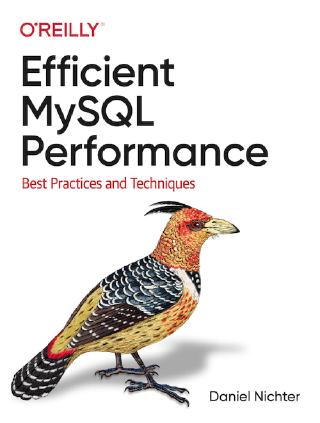
Efficient MySQL Performance
Efficient MySQL Performance distills 20 years of MySQL expertise into 344 pages. Written for software developers, not DBAs, it's easy to digest even if you're new to MySQL.
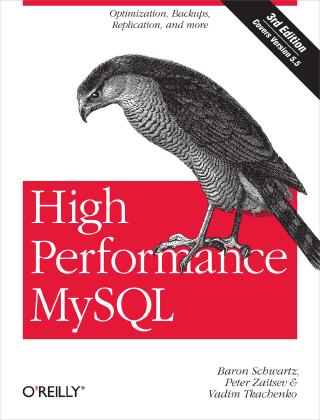
High Performance MySQL, 3rd Edition
The classic guide to MySQL performance — covering query optimisation, schema design, indexing, replication, and high availability at scale.
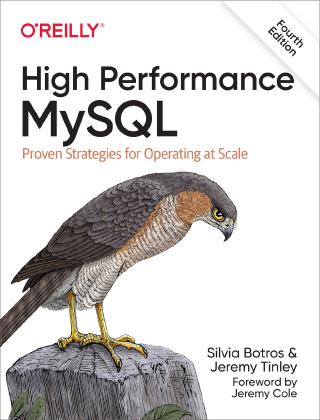
High Performance MySQL, 4th Edition
The definitive guide to MySQL performance — covering query optimisation, indexing, replication, and scaling strategies.
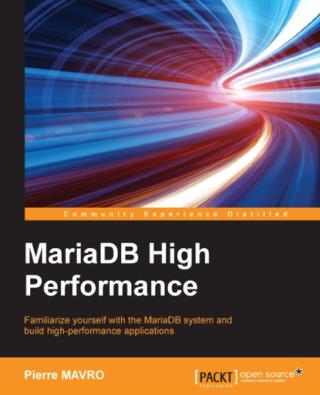
MariaDB High Performance
A guide to tuning and scaling MariaDB — performance analysis and optimization, replication, Galera Cluster, load balancing, and sharding with Spider — for DBAs and architects.
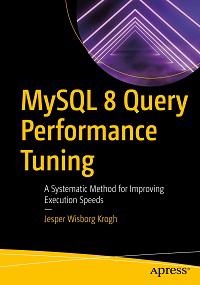
MySQL 8 Query Performance Tuning
A systematic, step-by-step method for finding and fixing slow MySQL queries — from EXPLAIN and EXPLAIN ANALYZE through the Performance Schema and sys schema.
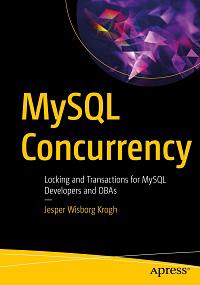
MySQL Concurrency
A guide to locking and transactions in MySQL — row and gap locks, metadata locks, isolation levels, and how to diagnose lock contention and deadlocks with the Performance and Information Schemas.
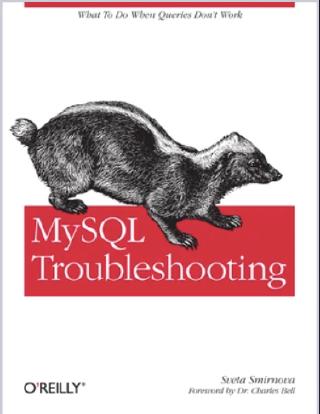
MySQL Troubleshooting
A practical guide to diagnosing MySQL problems — from queries that return unexpected results to concurrency issues, server options, the server environment, and replication.

Percona Database Performance Blog
Percona's company blog — practical, technical articles on MySQL, MariaDB, PostgreSQL, and MongoDB performance, tuning, troubleshooting, and operations, written mainly by Percona's own engineers.
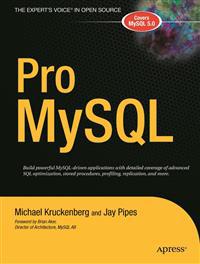
Pro MySQL
An advanced, developer-focused tour of MySQL covering transaction processing, indexing theory, query optimization, stored procedures, replication, and MySQL's internal source architecture.
Pro MySQL NDB Cluster
A guide to MySQL NDB Cluster — concepts and architecture, installation, daily maintenance and monitoring, application development, and performance tuning.
Severalnines Blog
Severalnines' company blog on MySQL, MariaDB, and other open-source databases — replication, high availability, proxying, security, and performance tuning, written mainly by Severalnines' own engineers.
SQL Performance Explained
A short book on SQL indexing and query performance for developers, with examples for MySQL, PostgreSQL, Oracle, and SQL Server — and a free web edition, Use The Index, Luke.